Avalon Woman
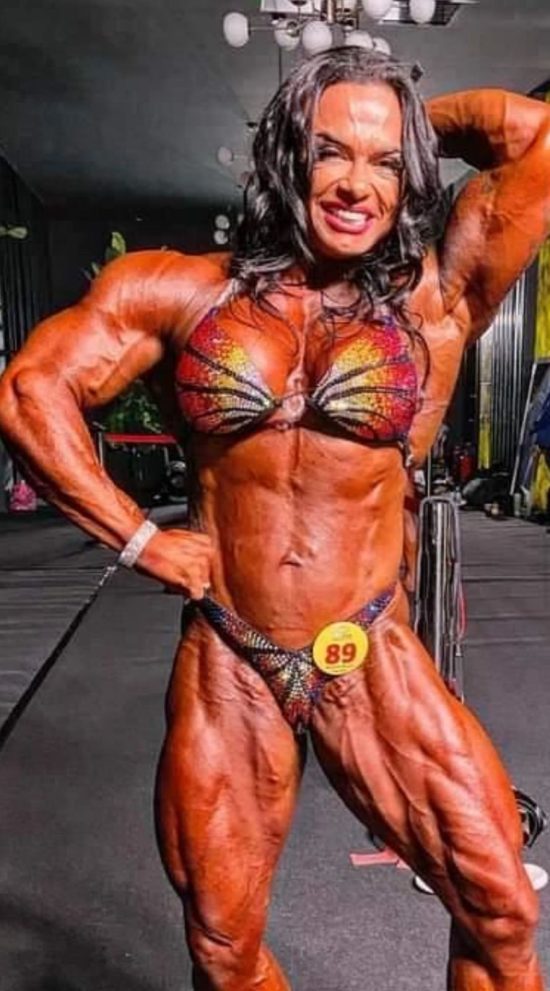
Forum participants discuss a Brazilian bodybuilder's alleged sessions, her impressive physique, and poor communication. Many report being scammed, with lost deposits and unfulfilled bookings, while some believe she attempted to manage a complicated schedule.
Last Updated: August 02, 2026
Review
Several forum posts detail experiences with a Brazilian session bodybuilder known as Avalon Woman, who has sparked considerable interest due to her impressive physique and session services. While some users report successful muscle worship sessions, communication difficulties and high fees have raised concerns.
Many forum members express frustration over Avalon's communication, especially regarding her requests for substantial upfront deposits without first confirming session details. This practice has led to accusations of scamming, as some individuals report sending deposits without receiving any response or a scheduled session. Avalon’s language barrier and a reportedly overwhelmed inbox may have exacerbated these issues.
Despite some users believing Avalon is genuinely interested in offering sessions, allegations of mismanagement and unmet promises have surfaced. Her disappearance from a session booking platform and the removal of her profiles have intensified suspicions of fraudulent activity.
A few users defend Avalon, suggesting she may have been misguided or exploited by third parties managing her communications. However, the general sentiment leans toward dissatisfaction and distrust, with many participants advising caution and recommending secure transaction methods to prevent financial loss.